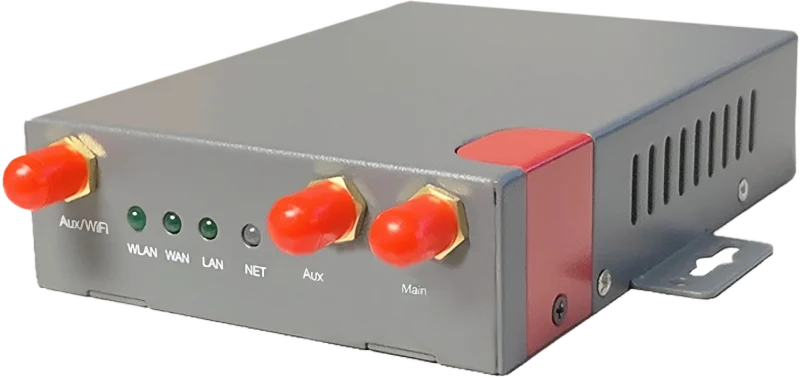
The machine’s only connection. No store network to share, no router in the back office that someone unplugs, no cable run across a shop floor. The terminal gets its own line, and that line is the router sitting inside or beside the cabinet. It ships pre-provisioned, so the installer powers it on and the machine finds the network.
The store keeps its wired line and the router sits behind it as the backup. When the wired circuit drops, the router carries the traffic until it comes back. This is the version most multi-site operators ask for, because the outage they are protecting against is the one they have already had.
Sites that do not fit the two patterns above: unusual mounting, a router feeding more than the ATM, static addressing, a carrier preference driven by which one actually works at that address. SwypCo builds these one at a time. Describe the site and someone will tell you whether it is a normal install or not.
The routers are managed centrally rather than one at a time in a truck. Configuration, carrier switching and firmware are handled from SwypCo’s side, which is what makes 9,000 SIM cards a manageable number instead of an impossible one.